
Health
Pedestrian critically injured after crash on US-1 at SR-312 in St. Augustine
By Katherine Langford
Advertisement · Why this ad?
Marcus manages the day-to-day editorial workflow across all brands, coordinating coverage assignments and ensuring editorial standards are met. He previously served as city editor at the Pioneer Press and holds a degree in Political Science from Carleton College.
More from Marcus →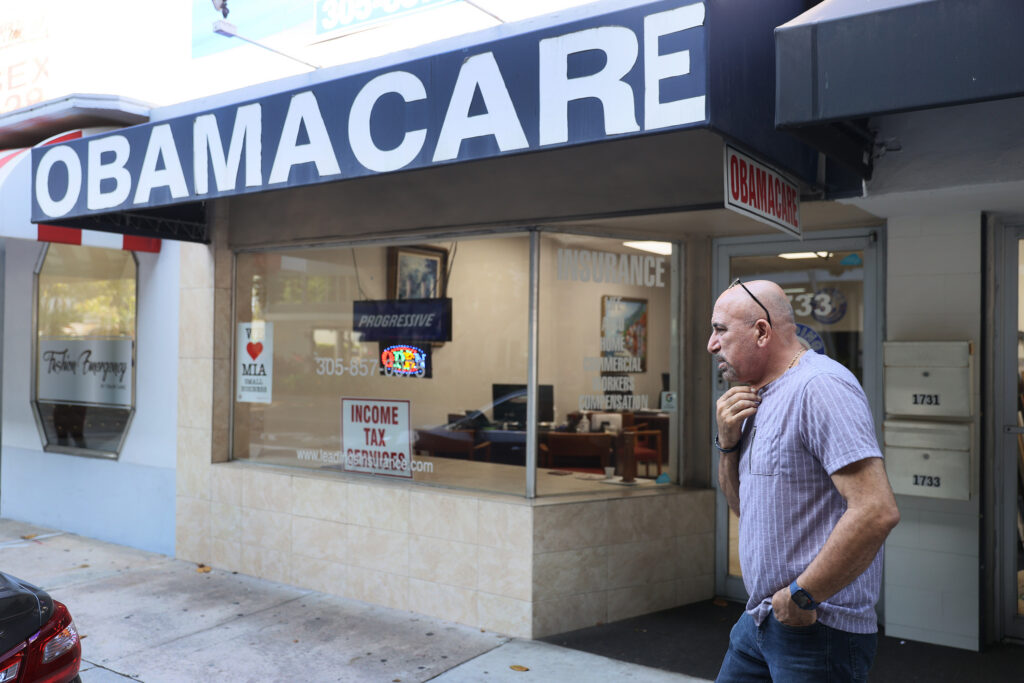
As the sun rises over Coral Gables, the excitement of open enrollment for health insurance begins to ripple through the community. Residents gather at local coffee shops, discussing their options, weighing the pros and cons of different plans. For many, this is not just a financial decision; it’s a matter of health and security. Starting Sunday, Florida residents can shop for health coverage on healthcare.gov, with enrollment running until December 15 for coverage beginning January 1, 2027.
This year, twelve companies are offering Obamacare plans on the federal marketplace, with an additional three providing compliant plans outside of it. According to the Florida Office of Insurance Regulation, average monthly premiums are projected to rise by 10.4%. This percentage does not account for potential subsidies, which can significantly lower costs for eligible consumers.
Enrollment offers a crucial opportunity for over 3.85 million Floridians who accessed the federal exchange last year. However, this number reflects a 10% decrease from the previous year, highlighting a concerning trend in access to affordable healthcare. The Centers for Medicare and Medicaid Services anticipates national health expenditures will exceed $6 billion in 2026, further underscoring the financial strain many families face.
Xonjenese Jacobs, director of Florida Covering Kids and Families, emphasizes the importance of navigating these options effectively. Her organization has received $1.379 million in federal grants this year, a stark reduction from the $13.79 million allocated in 2024. Jacobs stated, "Our navigators are prepared to help people understand what might best fit their needs and to support them with making important decisions about accessing care."
The ramifications of these changes are particularly poignant for individuals like Catalina “Cat” Jaramillo. Once uninsured, Jaramillo faced a health crisis that led her to purchase an Obamacare plan, which covered her medications and specialist visits. However, after losing access to enhanced tax credits, her premiums skyrocketed from $180 to over $1,000 monthly.
“The increase was just way too high. I couldn’t afford it,” Jaramillo lamented. Now, she relies on Community Health of South Florida, a federally qualified health center, where her costs are manageable, but she misses the comprehensive coverage of her previous plan. “I’m very grateful to have this resource, but it’s not the same as my Obamacare plan,” she explained.
As families like Jaramillo's grapple with rising costs, many are forced to make tough choices about their health insurance plans. Jacobs notes that some individuals may switch from higher-tier plans to more affordable options like bronze plans, which have lower premiums but higher deductibles.
For young adults under 30, catastrophic plans are available, offering the lowest premiums but the highest deductibles. Jacobs stresses the importance of understanding these options, saying, “We have grown into a culture that really understands and values the needs for access to healthcare.”
Local navigators play a crucial role in assisting residents to make informed decisions about their healthcare options. In Coral Gables, organizations like Florida Covering Kids and Families have trained navigators who are ready to help individuals and families understand their choices. Navigators often hold workshops and community events, providing one-on-one assistance to help residents fill out applications and compare plans effectively.
“We’re not just helping people sign up; we’re helping them understand what they’re signing up for,” Jacobs added. Many residents may be overwhelmed by the complexity of health insurance, and navigators serve as a vital resource in demystifying the process.
Dave Waalewyn, a commercial pilot from Leesburg, found himself in a similar predicament after losing employer-sponsored insurance. He turned to the private market and initially signed up for a plan costing $800 a month. However, after an abnormal medical test, he opted for coverage through healthcare.gov, ultimately selecting a plan for $1,500 monthly.
“If not for getting hired by another airline, I would have paid $18,000 annually for my Obamacare policy,” Waalewyn recounted. His story highlights the crucial role that employment plays in access to health insurance, especially as many families face uncertainty.
Carson Hornish, a health insurance broker in Tampa, echoes the sentiment that the current landscape is challenging. He advises clients to explore all available options but emphasizes that those eligible for subsidies through Obamacare should take advantage of them. “There’s not a better plan out there for those who qualify for the remaining tax subsidies,” he stated.
As the enrollment period progresses, community organizations are ramping up efforts to inform residents about their options. Jacobs and her team are committed to ensuring that families understand how to navigate the complexities of health insurance.
“We’re here to help,” Jacobs reassured. “People need to know that they have options, even if they feel overwhelmed.” The focus now shifts to the community's response to rising premiums and the ongoing need for accessible healthcare solutions.
In Coral Gables, local town hall meetings are being scheduled to discuss health insurance options and provide residents with the latest information on changes in the healthcare landscape. These forums will allow community members to ask questions directly to health insurance experts and navigators, fostering a more informed public.
With the enrollment deadline approaching, residents are encouraged to utilize resources like healthcare.gov and local navigators to secure coverage that meets their needs. As families assess their options, the importance of stable, affordable healthcare remains paramount in Coral Gables and beyond.
Moreover, the community's response to these changes will play a significant role in shaping future healthcare policies. As residents share their experiences and advocate for necessary reforms, the collective voice of Coral Gables can influence local and state leaders to prioritize access to affordable healthcare.
In addition to Jaramillo and Waalewyn, many other Coral Gables residents have shared their personal stories about navigating the health insurance landscape. Maria Gonzalez, a single mother of two, expressed her concerns about the rising costs of premiums. “I used to be able to afford my plan, but now I’m not sure how I will manage with these increases,” she said. Gonzalez emphasizes the importance of community resources, stating, “I’m thankful for the navigators who help us understand these changes.”
Similarly, local business owner Roberto Cruz has seen firsthand how the rising costs affect his employees. “I want to provide health insurance for my staff, but with these premiums, it’s becoming increasingly difficult,” he noted. Cruz is actively seeking options through local navigators to find a solution that works for both his business and his employees.
The future of healthcare in Coral Gables will depend on the community's engagement and the advocacy efforts of local organizations. As residents become more aware of their options and the importance of health insurance, the hope is that they will push for policies that prioritize affordability and accessibility. Jacobs encourages residents to stay informed and involved, stating, “Together, we can create a healthier community.”
As the enrollment deadline looms, the collective efforts of residents, navigators, and local organizations will be crucial in ensuring that everyone in Coral Gables has access to the healthcare they need and deserve. The community's resilience and determination to advocate for better healthcare solutions will ultimately shape the future of health insurance in the area.
By Katherine Langford

By Marcus Chen

By Katherine Langford

By Katherine Langford